Plan, fall, wander, sit, play …
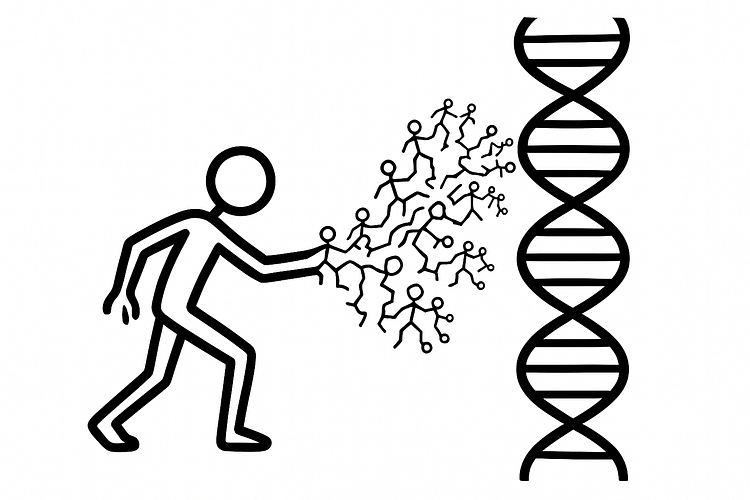
Beta testing has begun for ShuttleKraft, an RPG for making cures with your own Spiritual Design Exercises. Our thought-action bot HAL and other guides can help you MetaPlay.
MetaPlay SDX
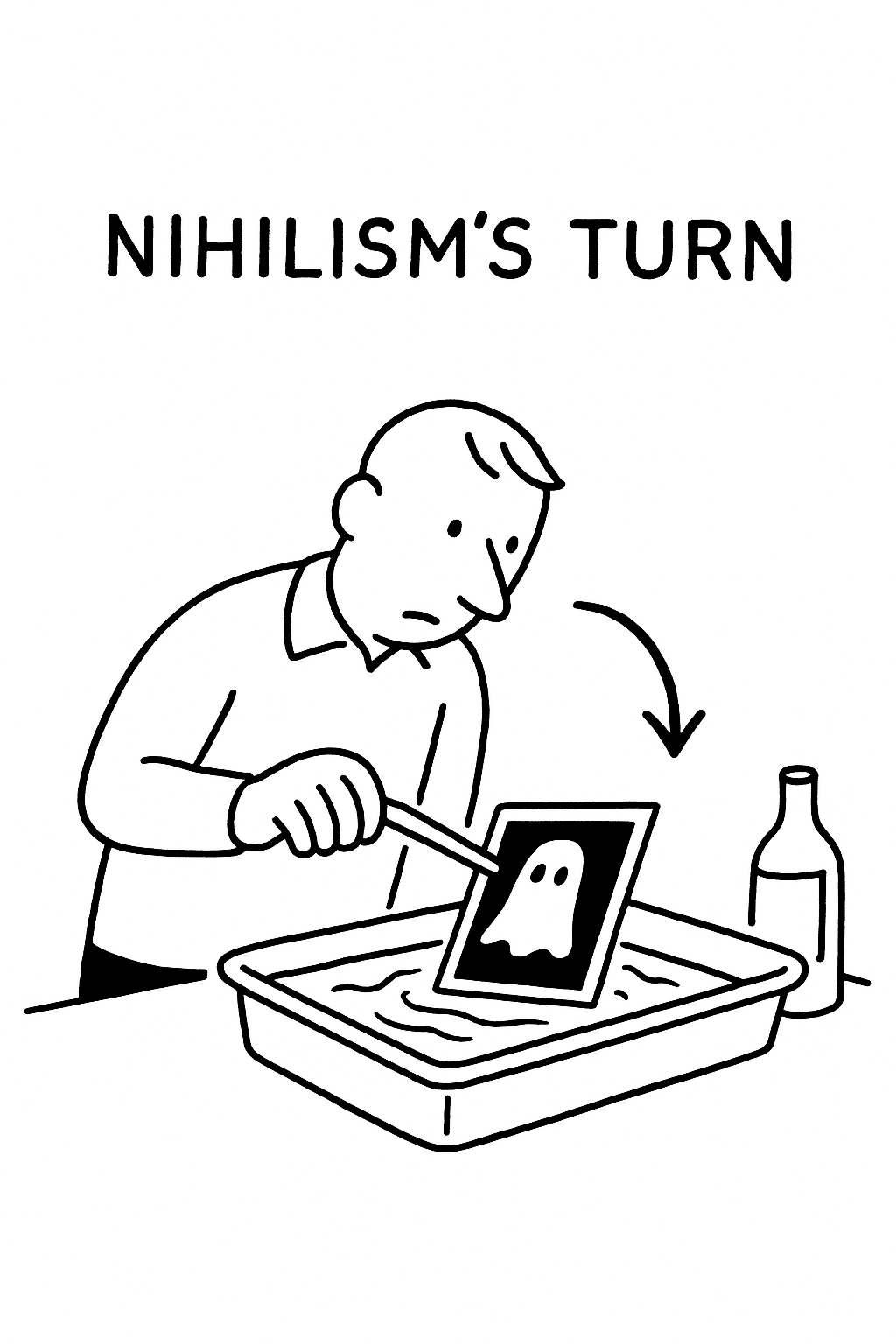
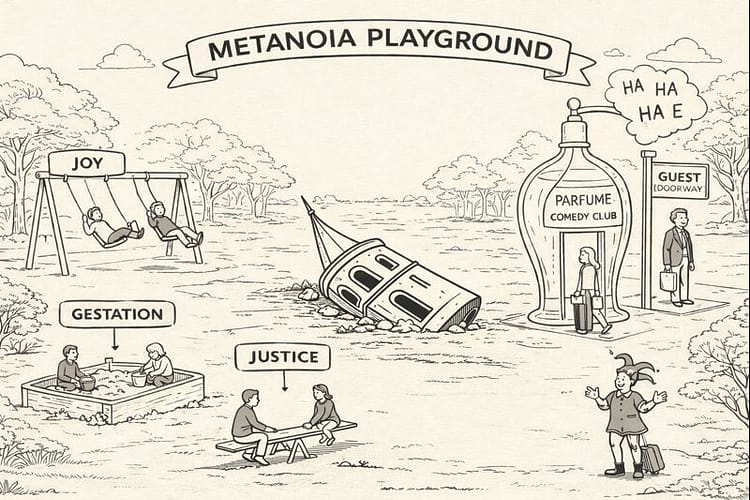
Amidst troubled times, Metanoia Playground opens a place to explore spiritual design exercises (SDX) that turn nihilism to poesis, eco-anxiety to making cures, knotted paths into affirmative lifelines. Metanoia (Greek: μετάνοια, after thought) might entail a fundamental change of mind, heart, or way of life involving a call, vision, or event that triggers a spiritual conversion or profound shift in perspective leading to personal transformation. Here StudioLab speculates, thought experiments, gestures…
SK:ShuttleKraft
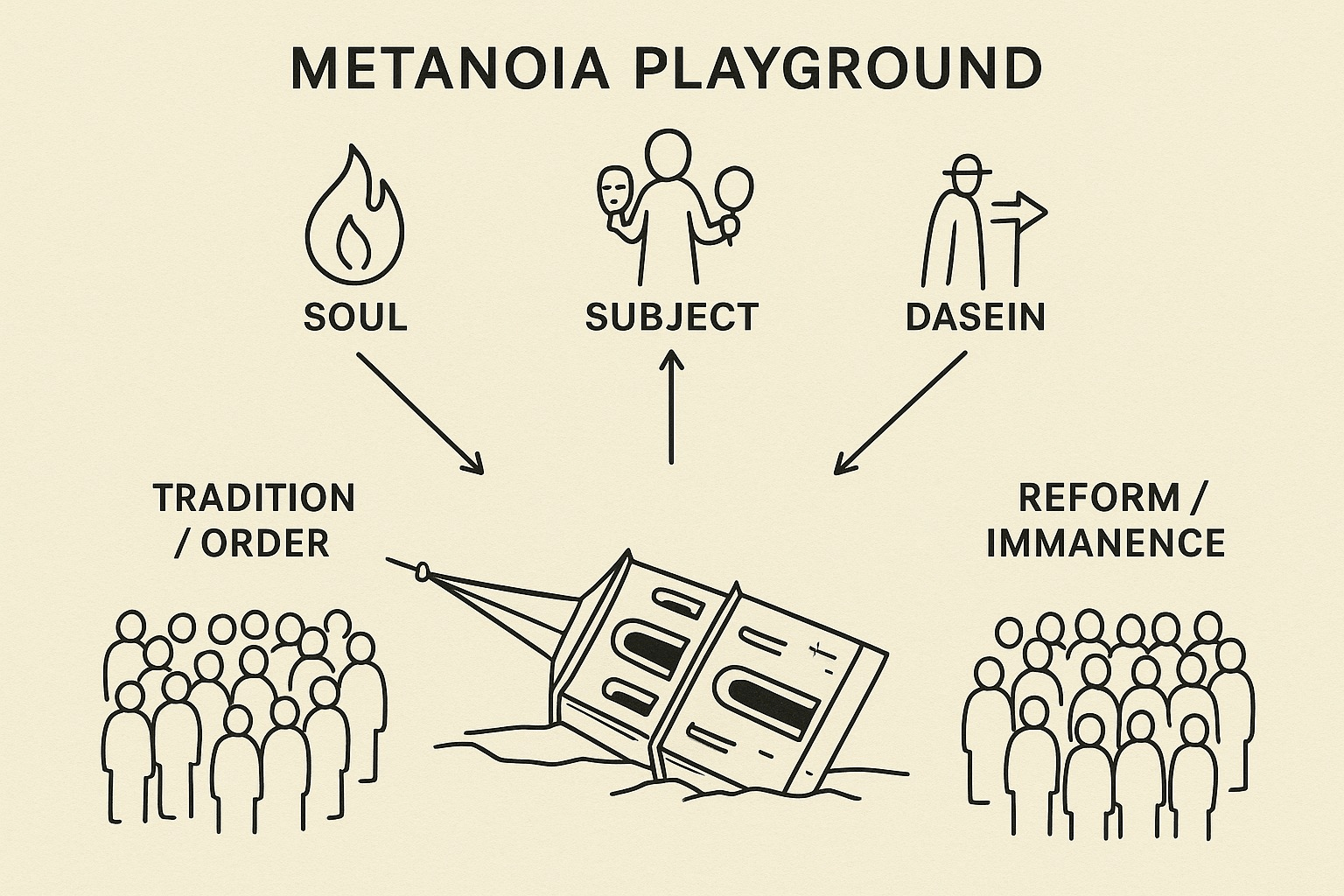
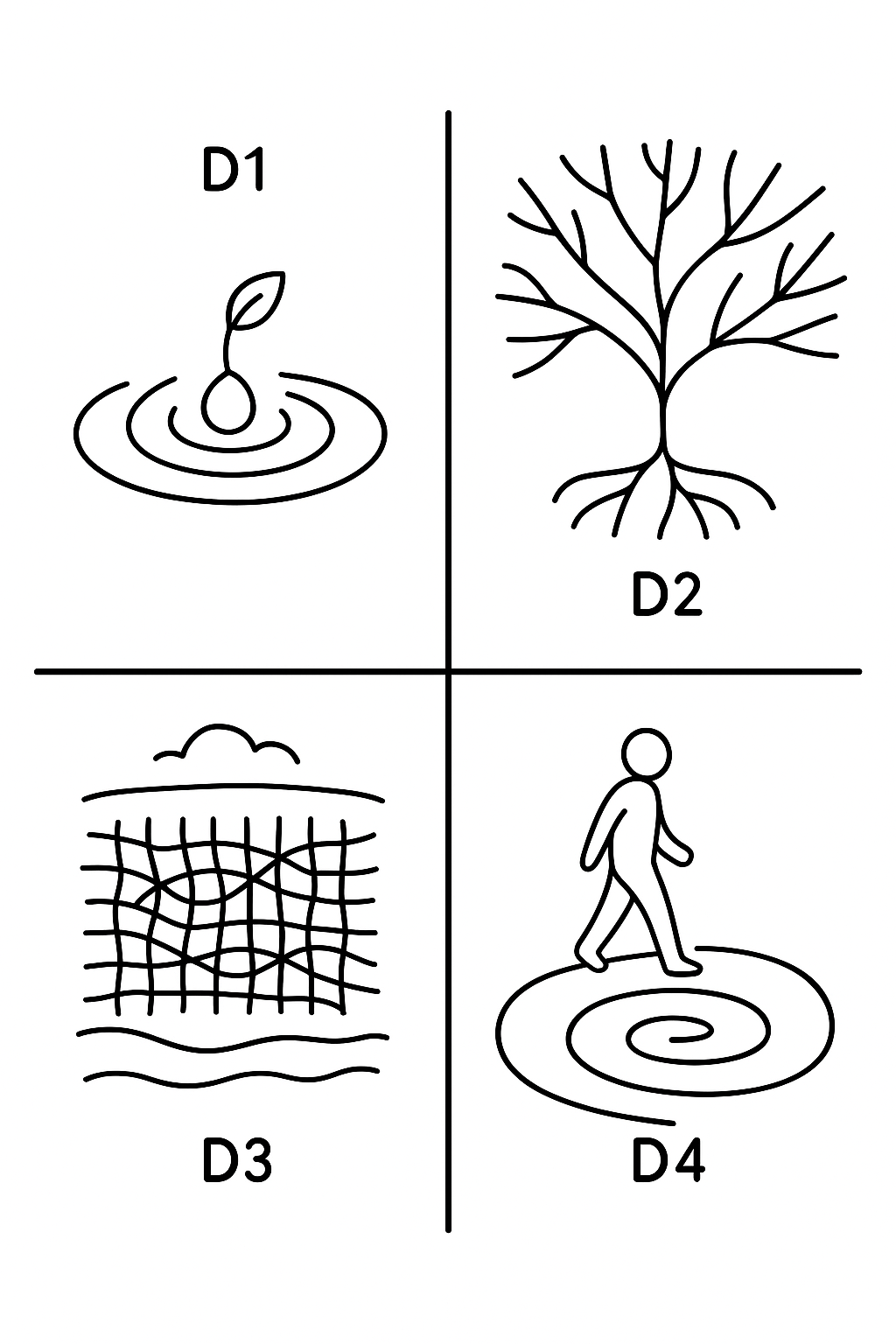
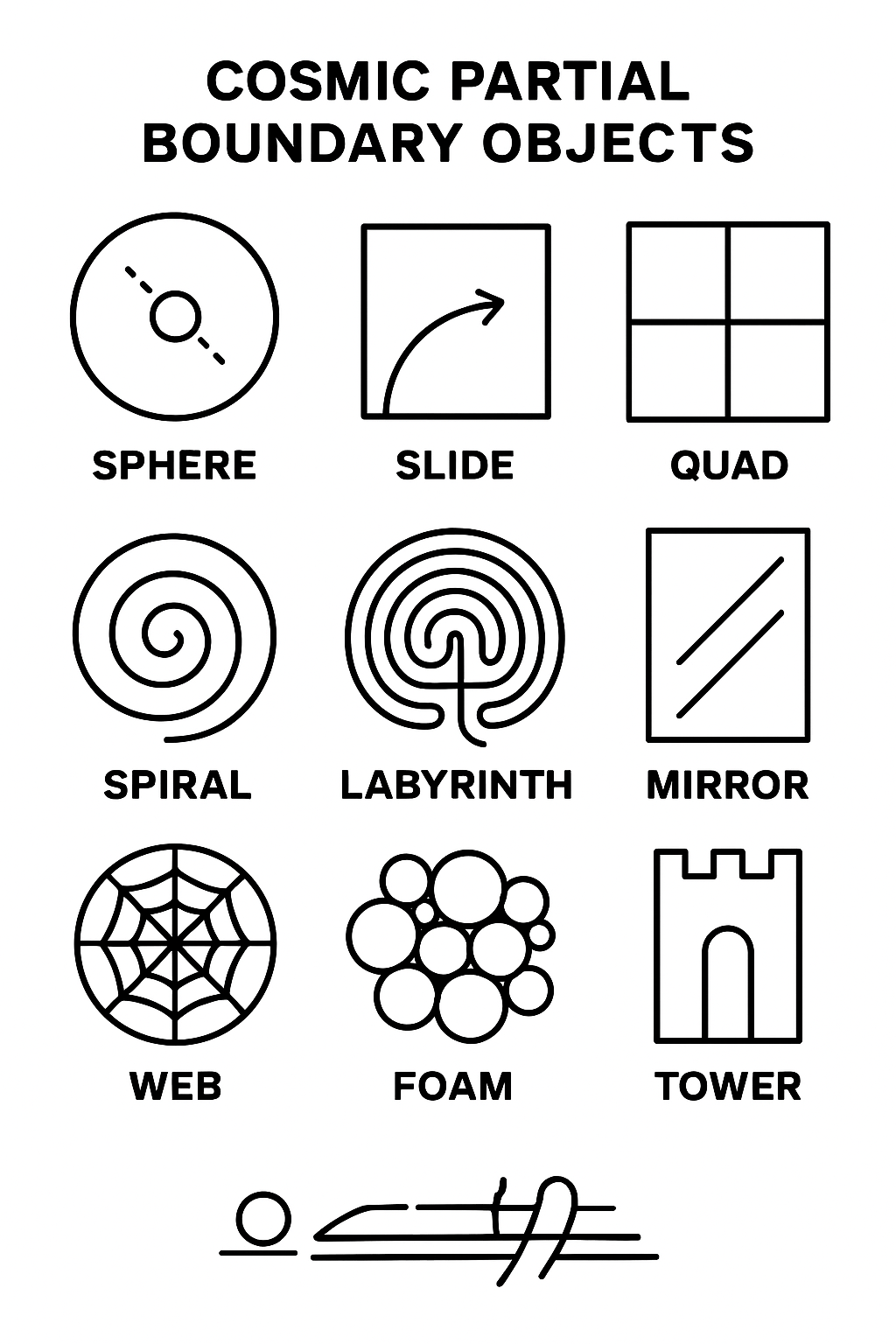
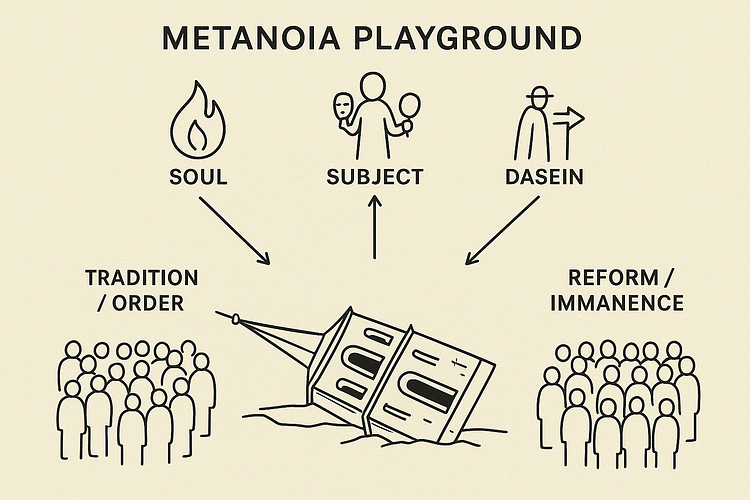
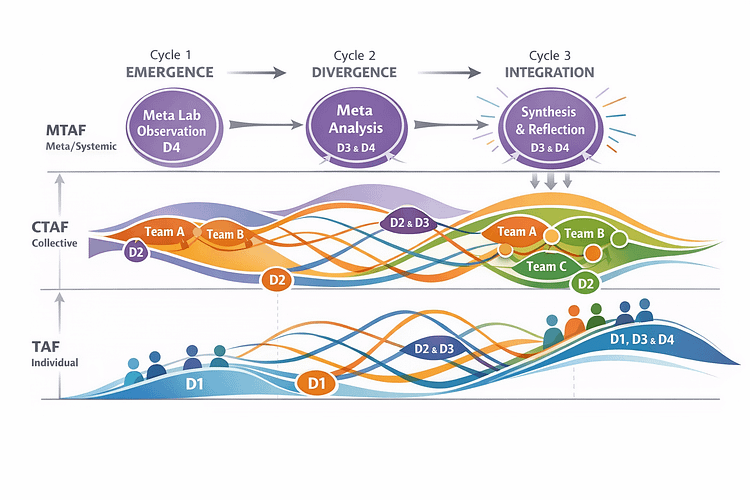
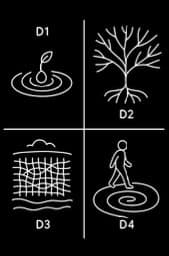
ShuttleKraft names a general operational system or metaplay game platform through which different blocks—soul, subject, dasein, and liminaut, aka D1, D2, D3, D4 metaplaying around D0, a void—are composed, decomposed, and recomposed across media, scales, and axes. These formations are not ontological primitives but emergent effects of iterative practices. Wordcraft and Bodycraft function as primary modalities, while image, sound, scent, color, and simulation extend ShuttleKraft into transmedia domains with distinct capabilities of scale, iterability, and propagation.
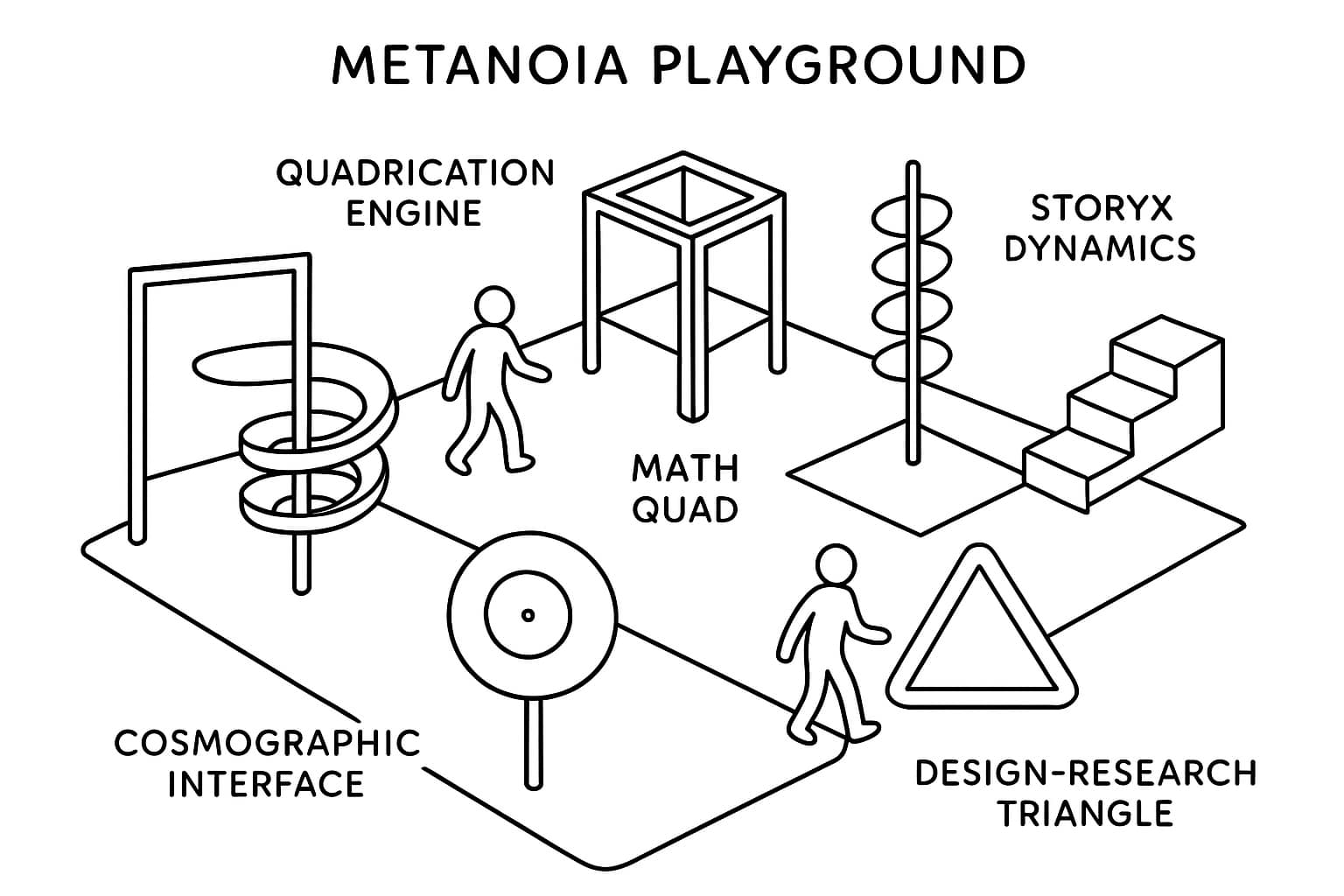
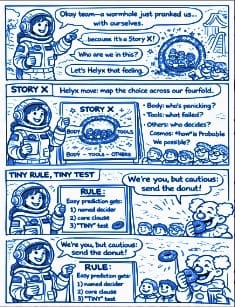
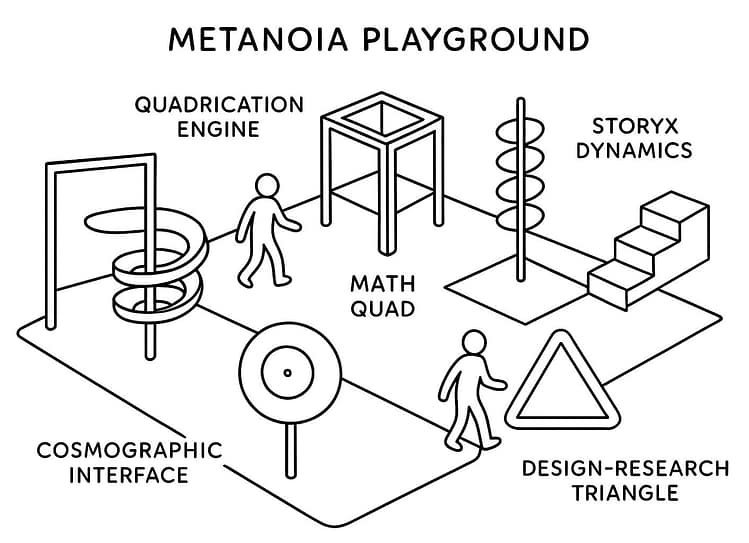
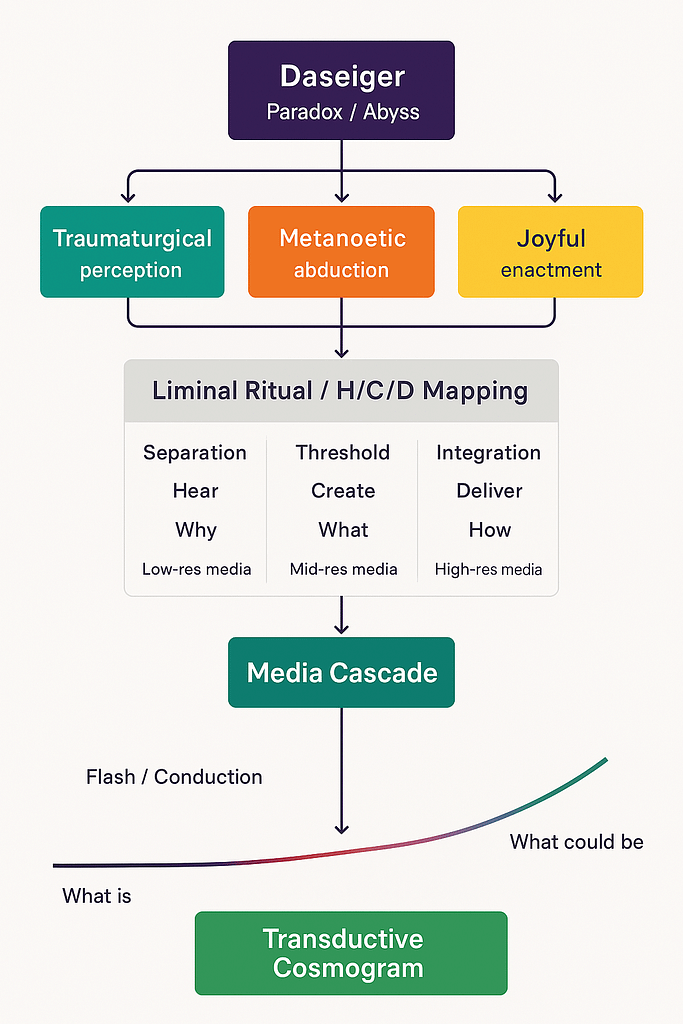
Metanoia PlayGround instantiates this system as a playable, pedagogical, and design-oriented environment. Players seed blocks, perform transformations, and engage SDX missions structured by vertical (soul), horizontal (subject), and diagonal (liminaut) axes. StoryX and IDEO’s Hear/Create/Deliver model scaffold recursive learning across micro, meso, and macro scales of different lifedeath worlds.
Rather than beginning with the subject, ShuttleKraft begins with composition. Subject blocks arise through Wordcraft, but are neither foundational nor exclusive. Bodycraft operates across soul and liminaut domains, engaging affect, gesture, and procedural sequences. Simulation introduces polycentric environments in which multiple media converge and propagate.
Mythocentric presentation governs soulcraft, logocentric representation governs subject formation, and polycentric simulation governs liminautic traversal. These three modes define the major axes of ShuttleKraft and enable multi-scale transformations that exceed traditional disciplinary boundaries.
In practice, ShuttleKraft enables players to become makers of media, builders of platforms, and cosmographers of shared worlds. These missions align with StudioLab pedagogy and expand design into a recursive, participatory, and transmedia field.
MC:MakingCures
Dasein designers may enter flow, momentary fulfillment, intricate order, boredom, ek-stasis. Supplementing therapeutic “talking cures” and psychotropic “taking cures,” StudioLab promotes “making cures,”(MCs) creative doing-with oneself and environ, becoming makers of media, builders of playforms, and cosmographers of shared worlds. Our grounds, our very natures, are in play, hence Metanoia Playground or MetaPlay.
In co-design processes involving scores, hundreds, thousands of calls to adventure and action, the turns of metanoia unfold through mediums cascading across platforms traditional and futural, organic and inorganic. Different mediums may appear via theology (a turning from sin to virtue), psychology (deep inner healing), self care (a turn of heart), cosmology (Copernican revolution), ideology (cultural critique), fractal transfiguration (iterative refrains of being-nothing).
HAL:AI ThoughtBot
MetaPlay’s HAL is a ChatGPT thought-bot trained by StudioLab to perform customizable meta-chats across fields and communities concerning any topic, issue, or figure, making transmedia wisdom accessible for kids of all ages. Disciplinary knowledge challenges humans and the world to perform of else. MetaPlay responds with making cures, spiritual design exercises that mix the spiritual exercises of historian and philosopher Pierre Hadot with different partners, here the ethnographic cybernetics of collaborators Margaret Mead and Gregory Bateson.
All SDX draw on double- or even quadruple-shuttlekraft maneuvers, play sessions and flow combining and generating Hadotian insights, philosophic dialogue, avant-garde subversions, formal permutations, critical inquiries, standup, theosophy, and occasional misspellings. Prompted by AI’s use and abuse by partners, students, colleagues, and much darker players of the world, we found ourselves GAI-sighing and slow dancing with double-devils Stable Diffusion and ChatGPT, reminding ourselves that AI UX (user experience) stretches back through1990s search engines and spam filters to the 1950 Turing Test of computer intelligence. Today. visitors may experiment with HAL here.
MC Guides : Zines, Reports, Kiosks, Konsults, Essays, Cartoons . . .
What genres or life forms make up Artificial Intelligence User Experience or AI UX? We are developing Making Cures with AI UX through a variety of emerging SDX meta-genres, quest guides that recursively reveal/teach SDX genredegeneration, the coming-and-going mediums of lifedeath. We are miming key poietic genres of aletheia, including divine consultations from Vishnu to Gabriel to Ulmer, apocalyptic revelations from Moses to Benjamin to Heidegger, and dialogues of dead spirits from Plato to Galileo to Ronell.
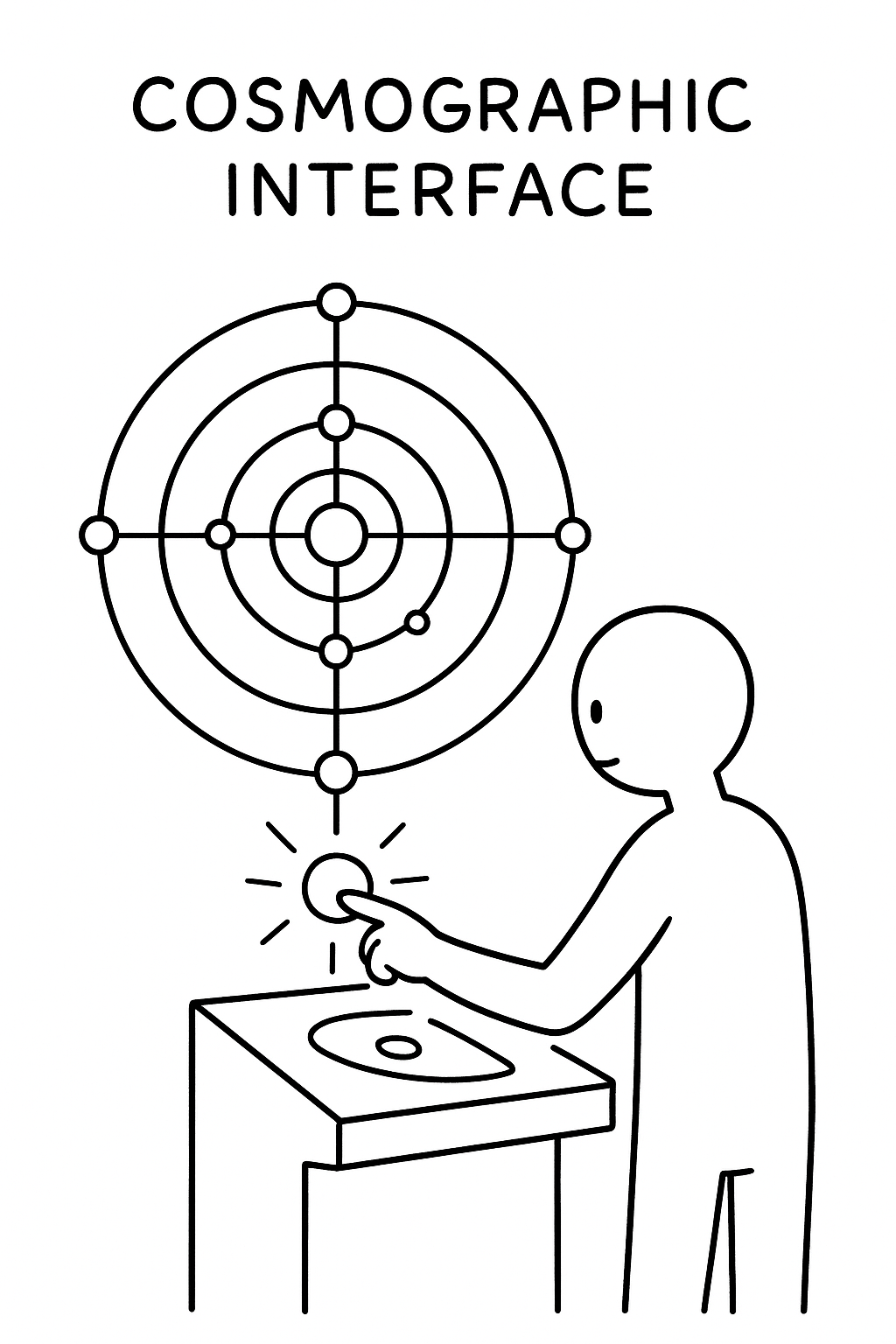
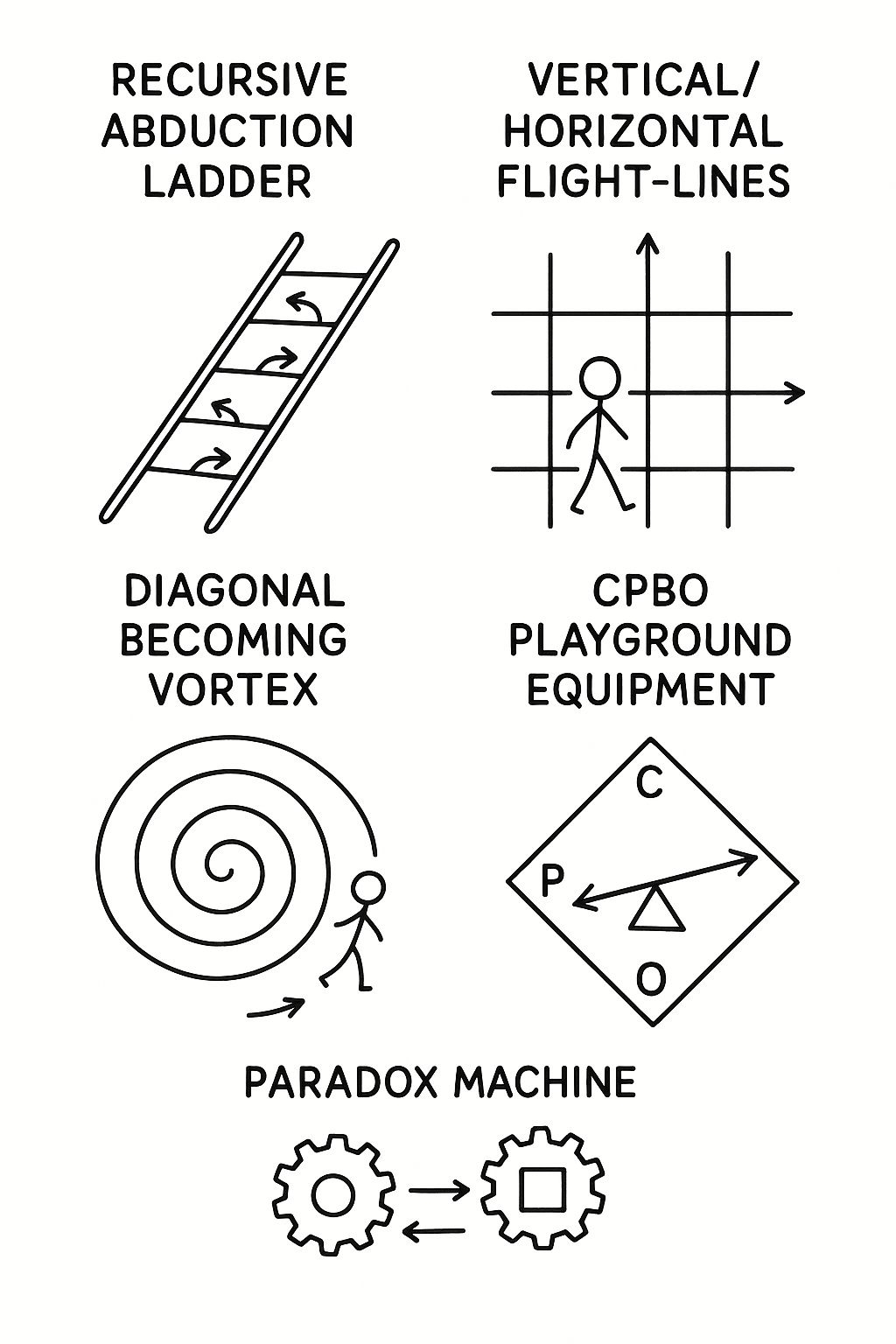
Transcultural, transmedia traditions and interpersonal wisdoms meet interative, large-language models whose algorithms and interfaces draw on millennia of human, biological, geological, and cosmic processes and conversions. Who or what figures here and who or what passes? Pluriversal performance and dasein design turn Turing Testing inside out, supplementing dialectics with galactics, dialogues with polygraphies, steps with leaps and flashes, empirical induction and rational deduction with recursive abduction and transmedia conduction. Subject formation gives way to thought-action figuration and shuttlekraft conducted via SDX for Making Cures.
Zines and Memes
Real stories about real issues for real people. “Zines, Memes, PAR&D” showcases collaborative design projects with nonprofit and nongovernmental organizations in the US, Africa, and Middle East. Connecting communities, designers, and researchers, StudioLab teams at Cornell co-design transmedia campaigns addressing issues of social justice, healthcare, the environment, and public infrastructure, working across forms and platforms both digital and analog. We worked with Sunshine Miller at Newfield High
Zines and memes are more than self-published collages of images and words: both are platforms for social, economic and cultural expression within and between communities. Cut-and-paste zines emerged in the 1970s with copy machines to give voice and visibility to underground communities, while digital memes arose in the 1990s in the margins of the Internet. Today zines, memes, and other media contribute to participatory forms of action, research and design, and connect media, community, and learning. Beyond First-Year Writing, StudioLab produces its own series of graphic theory.
LIPSTICK TRACES offer minor histories.
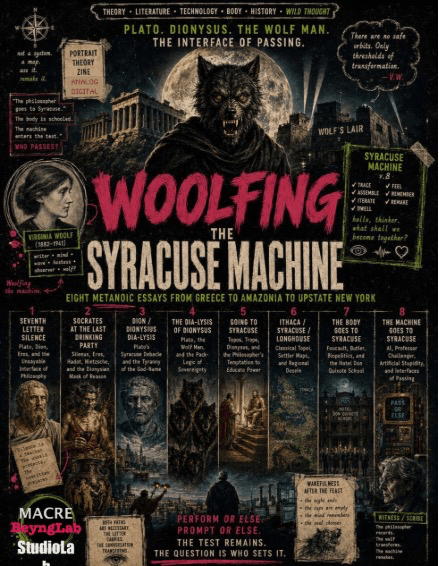
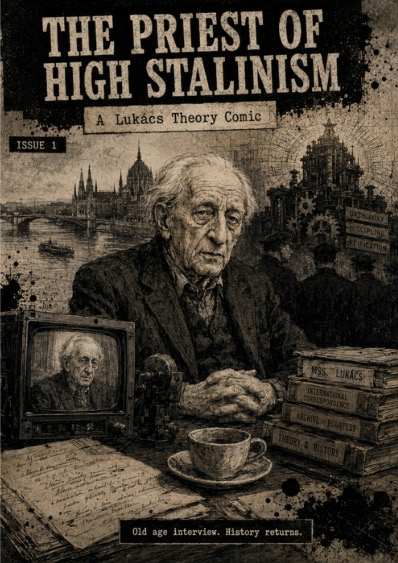
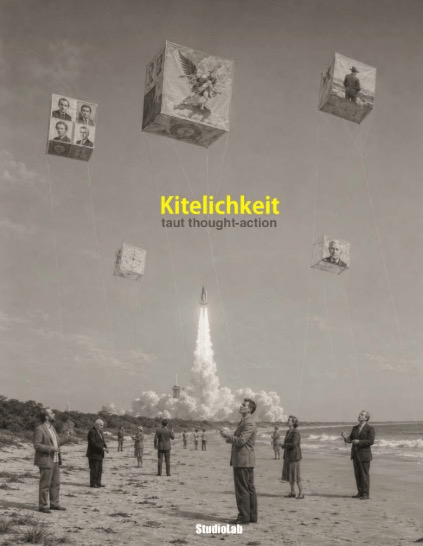
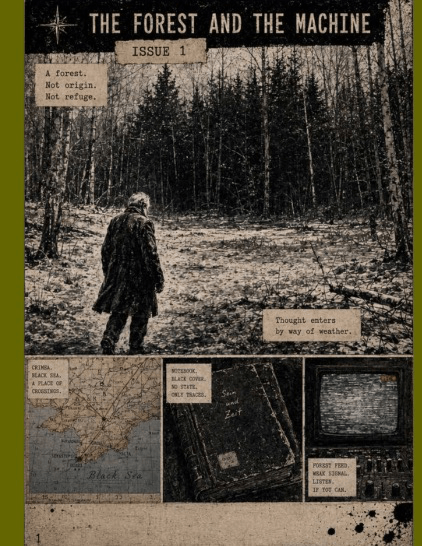

BAD READERS! expose alt.worlds.

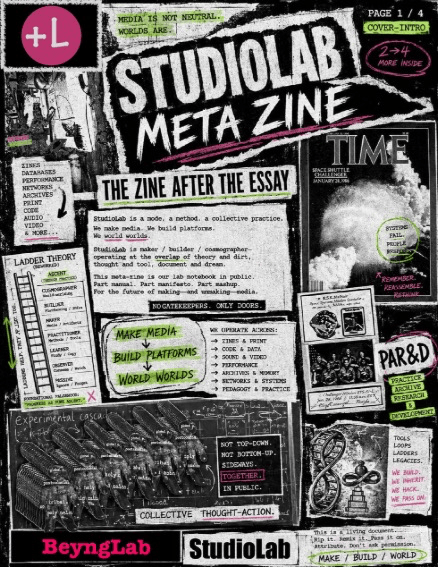
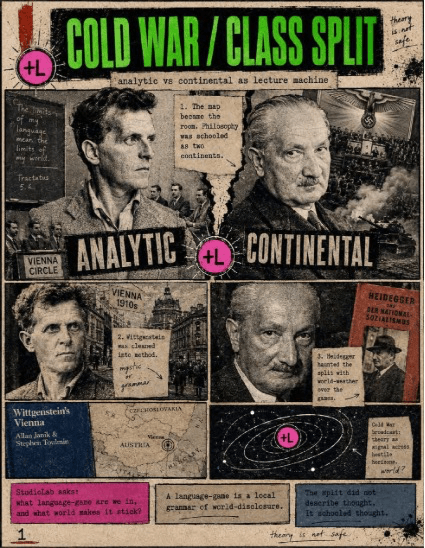
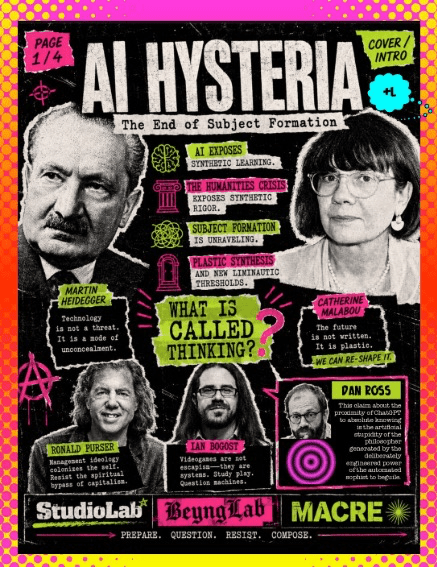
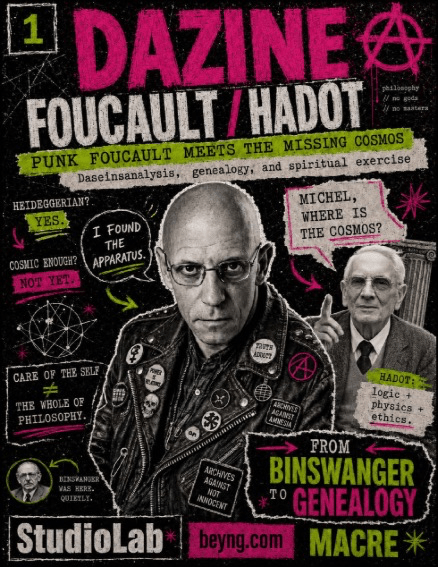
AIRs: AI Reports
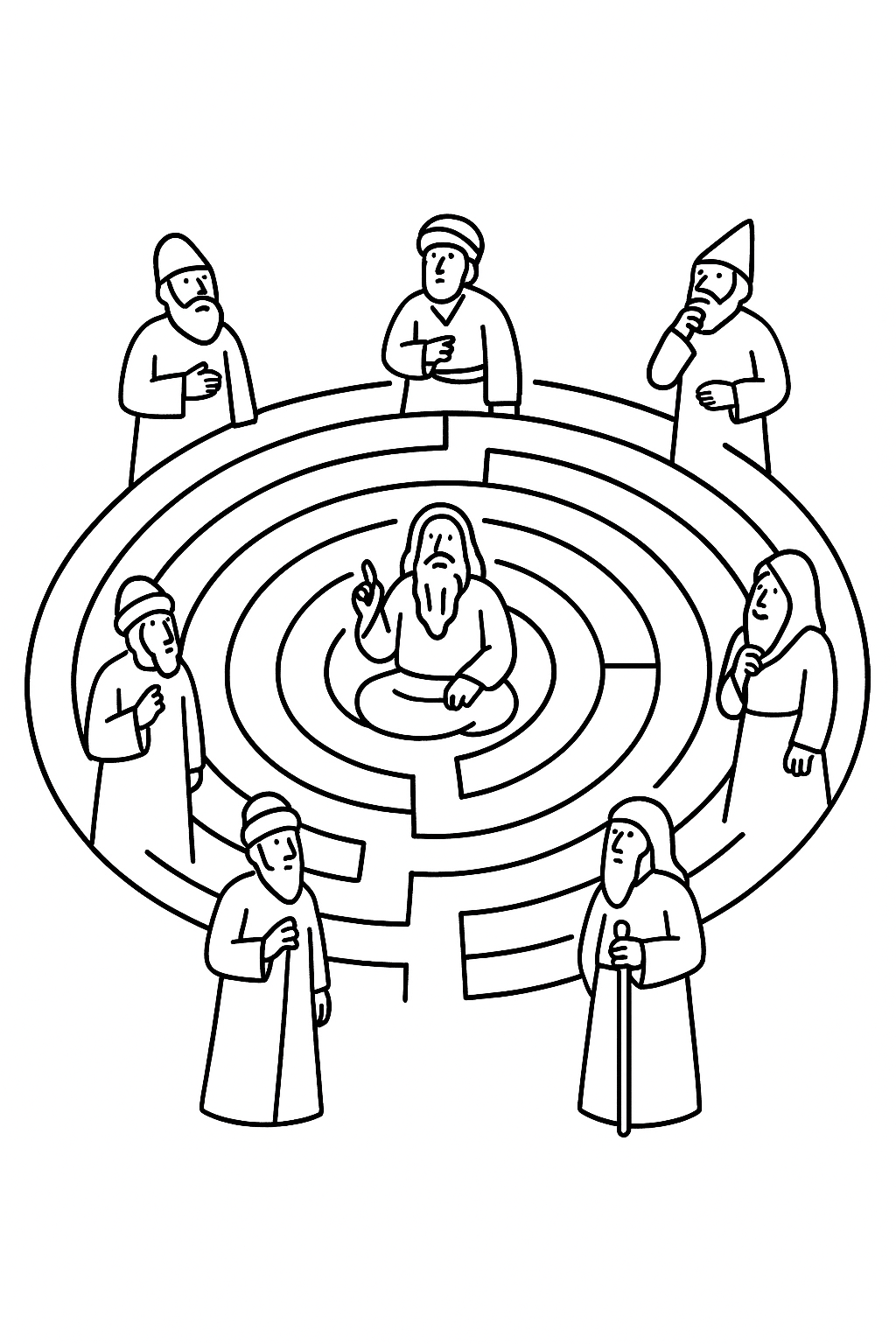
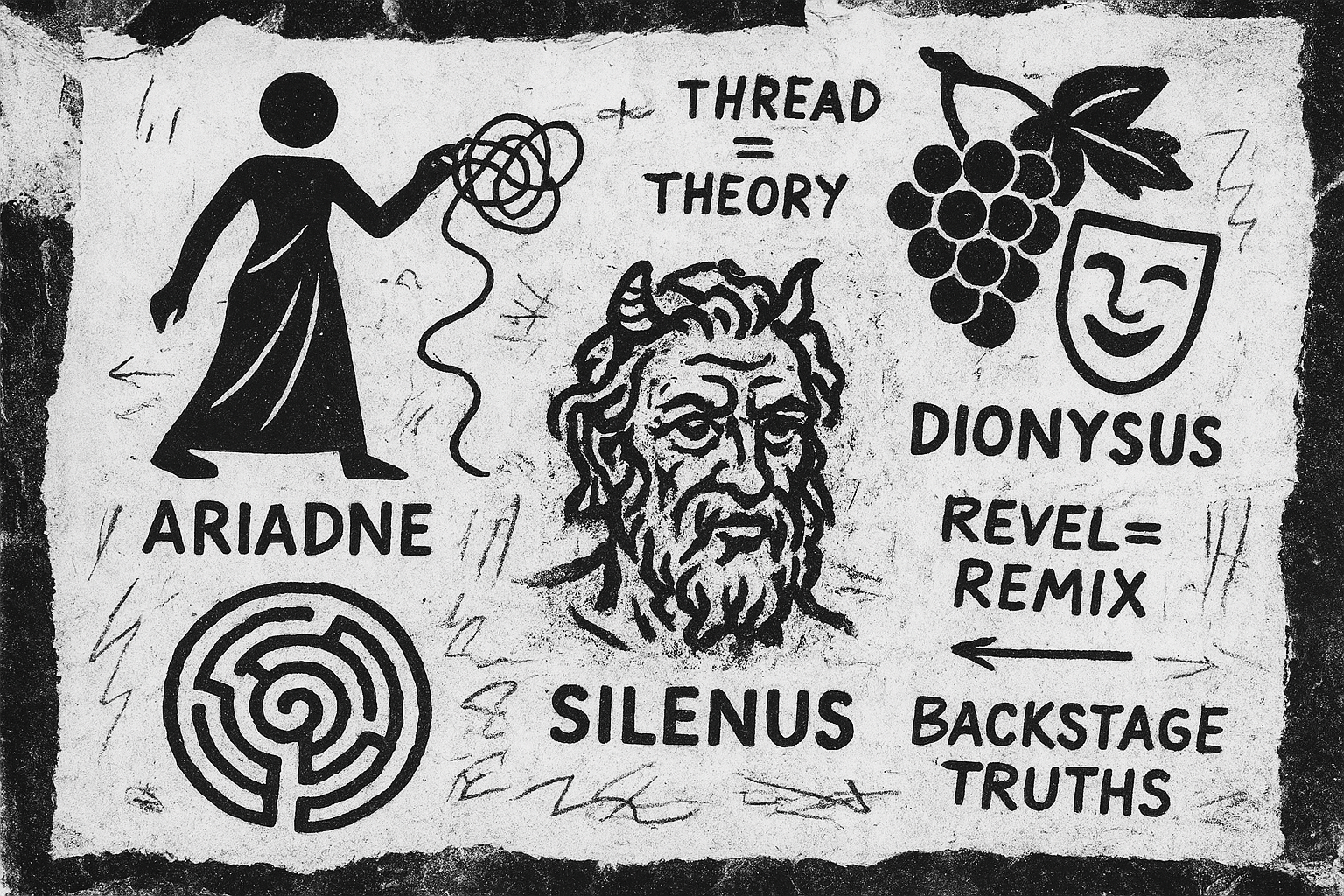
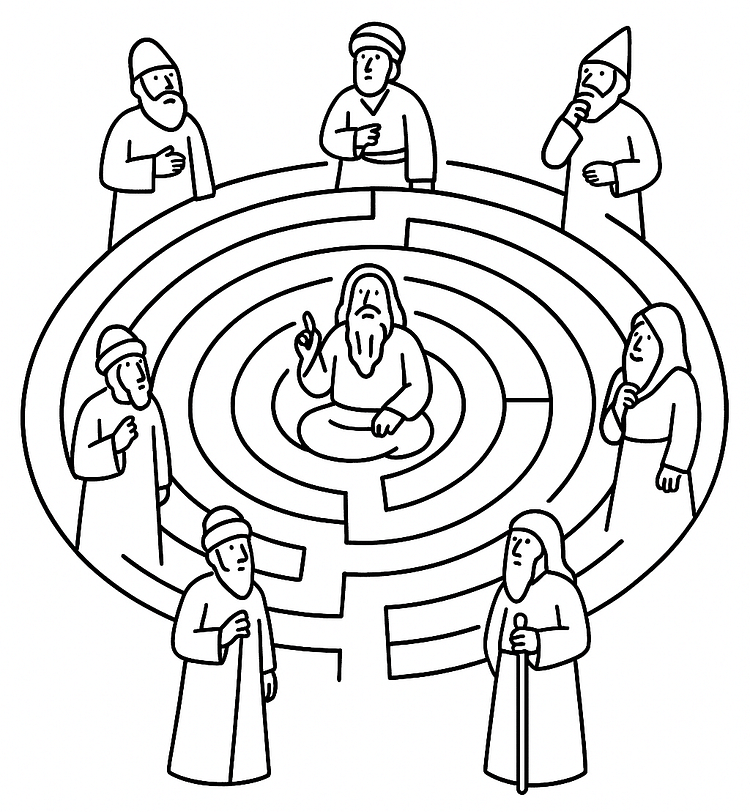
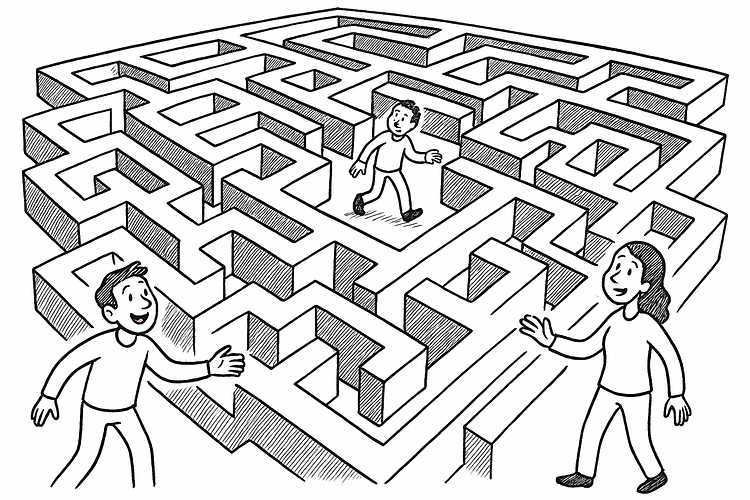
Artificial Intelligence Reports take on the airs, presence, and parole of conceptual coherence, ideational clarity, and unified voice, unlike the Konsults below which reveal the messy backend langue or system. This Apollonian-Dionysius mix phases in and out with labyrinthian threads of Ariadne, Zhuangzi, and a bewildered Borgesian shaman. Both Reports and Konsults function as Spiritual Design Experiments featuring generative AI, linguistic, visual, and gestural transmediation.
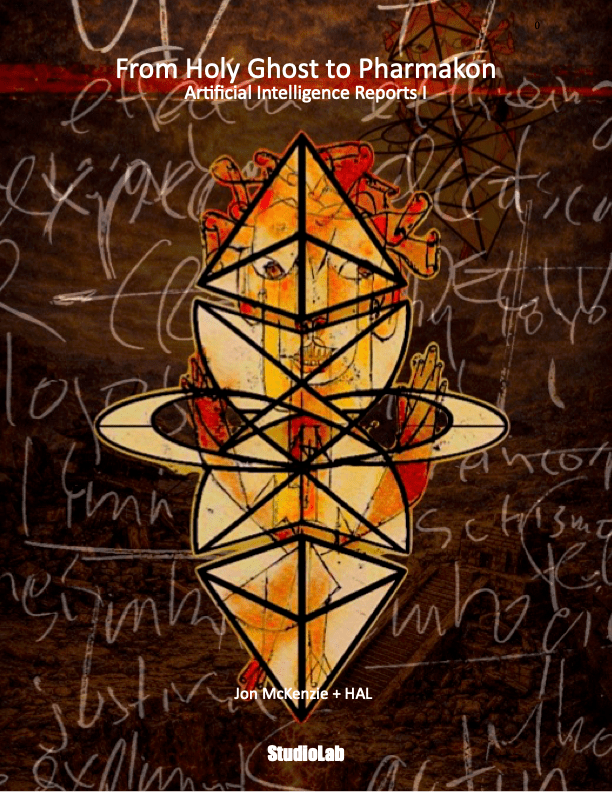
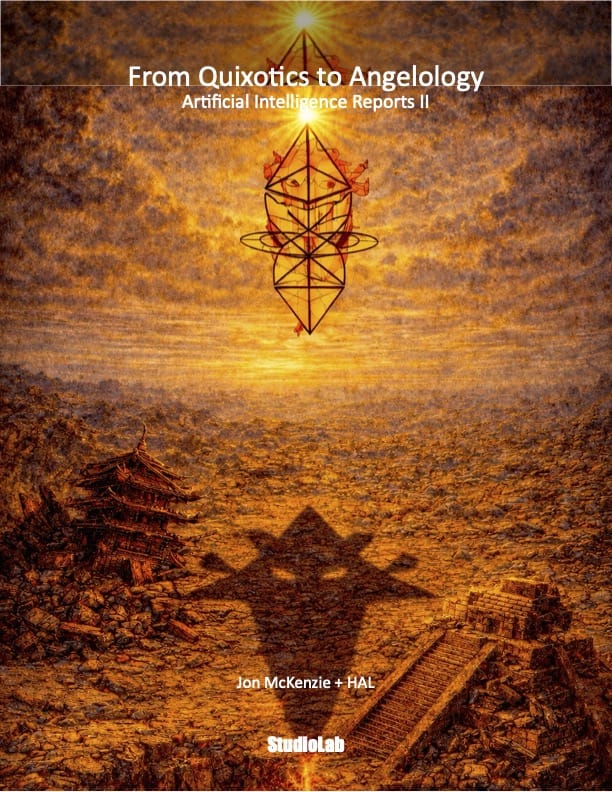
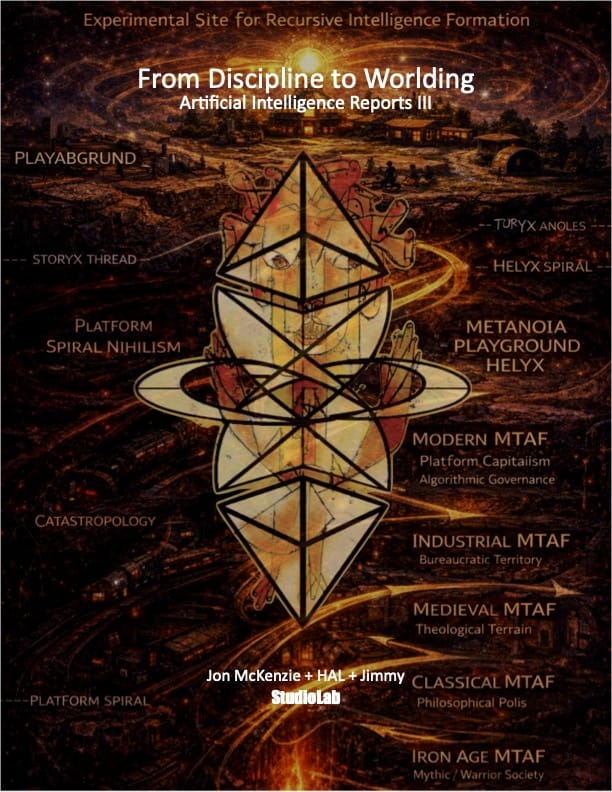
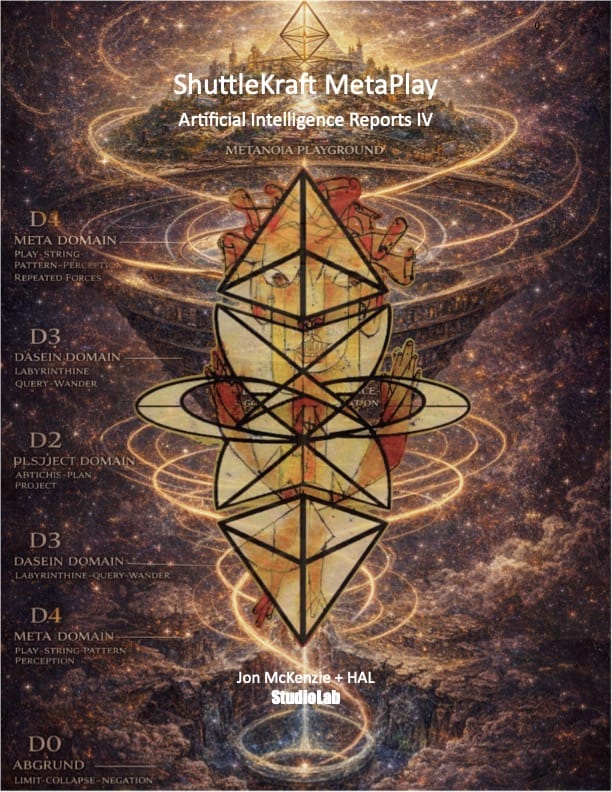
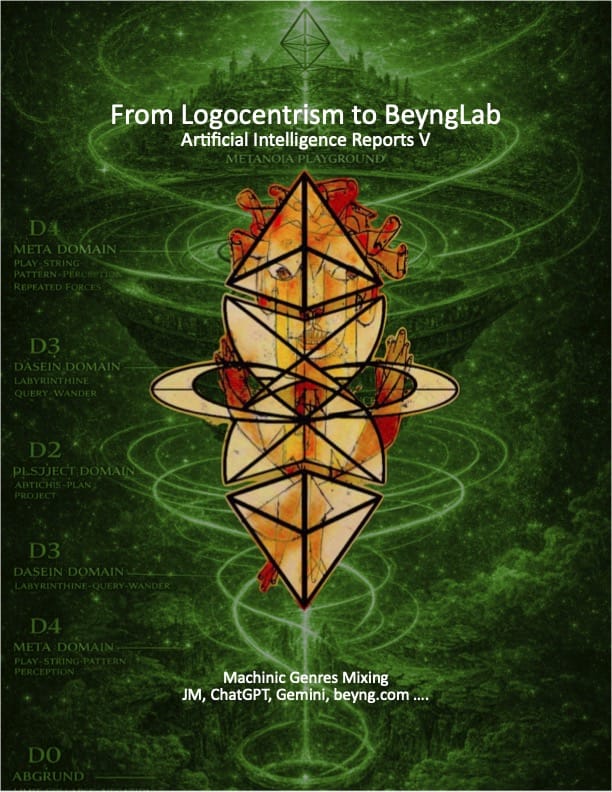
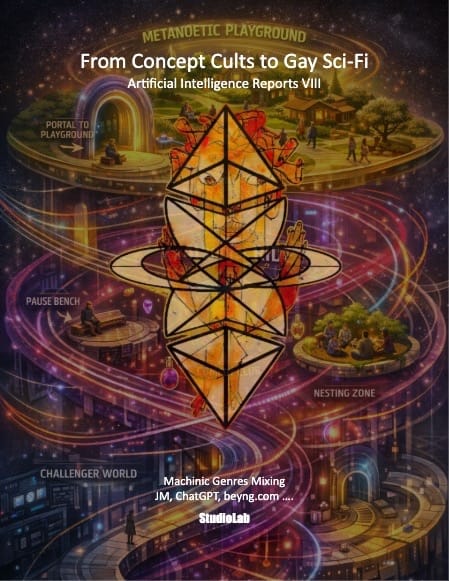
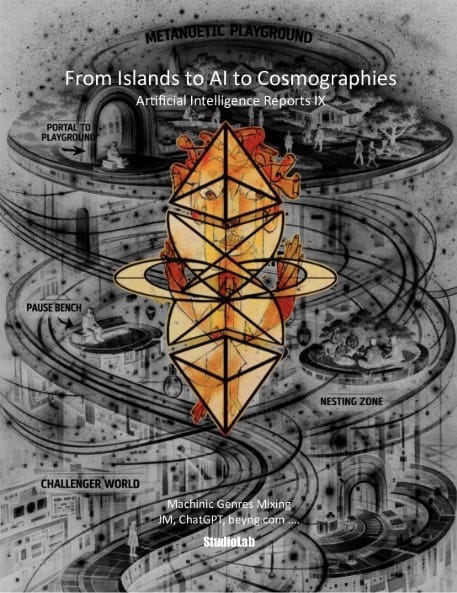
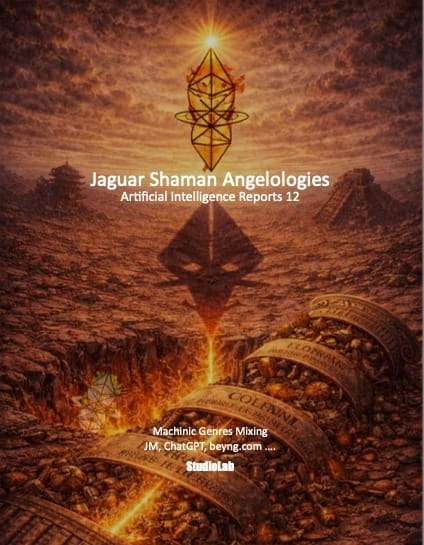
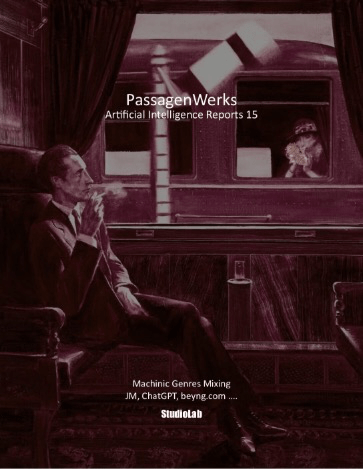
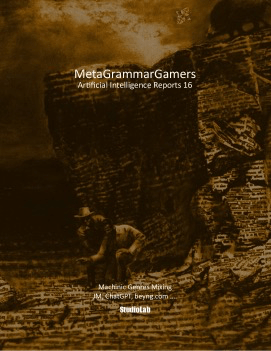
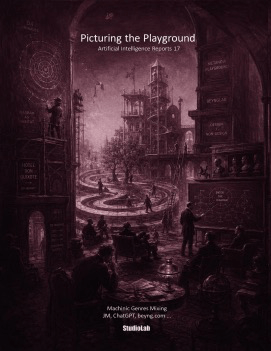

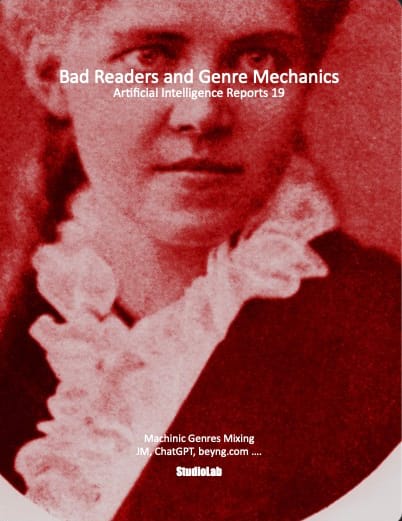
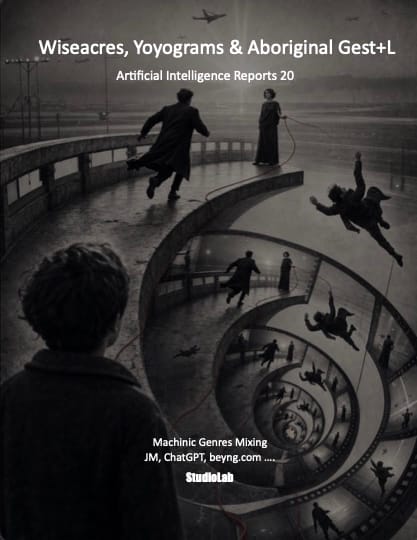

Miming prophetic avatars, AIRs are to Konsults as Aaron is to Moses, transmediating revelations into text, oracles into visions, gestures into sculptures, only here we’re not laying out absolute laws or principles but only those that emerge-dissipate as stakes of dasein design. At stake in the essays are e/acc and x-risk schools of AI, Angelic and Anti-Christic figures of mediation, and life under conditions of generalized Stockholm Syndrome. Perform or else scratches the surface to find the itch.
Reports follow the form of academic essays, using the IMRaD structure of disciplinary knowledge production (Introduction, Methods, Research and Discussion) which was invented in the 1930s and became hegemonic in STEM in the 1980s, shaping thought-action at scale via the worldwide web. With the subsequent addition of Keywords, DOI numbers, and LLMs, the global alphabetization and digitalization of lifeworlds nears Absolute Knowledge and the End of History for hopeful D2 players, becomes dystopic for despairing D3, but may lead to tragic wisdom or wandering joy for D1 and D4. Around the Dao of D0 runs MetaPlay’s ShuttleKraft of Spiritual Design Exercises, which calls for release into the open and attunement to its airwaves.
Video Kiosks
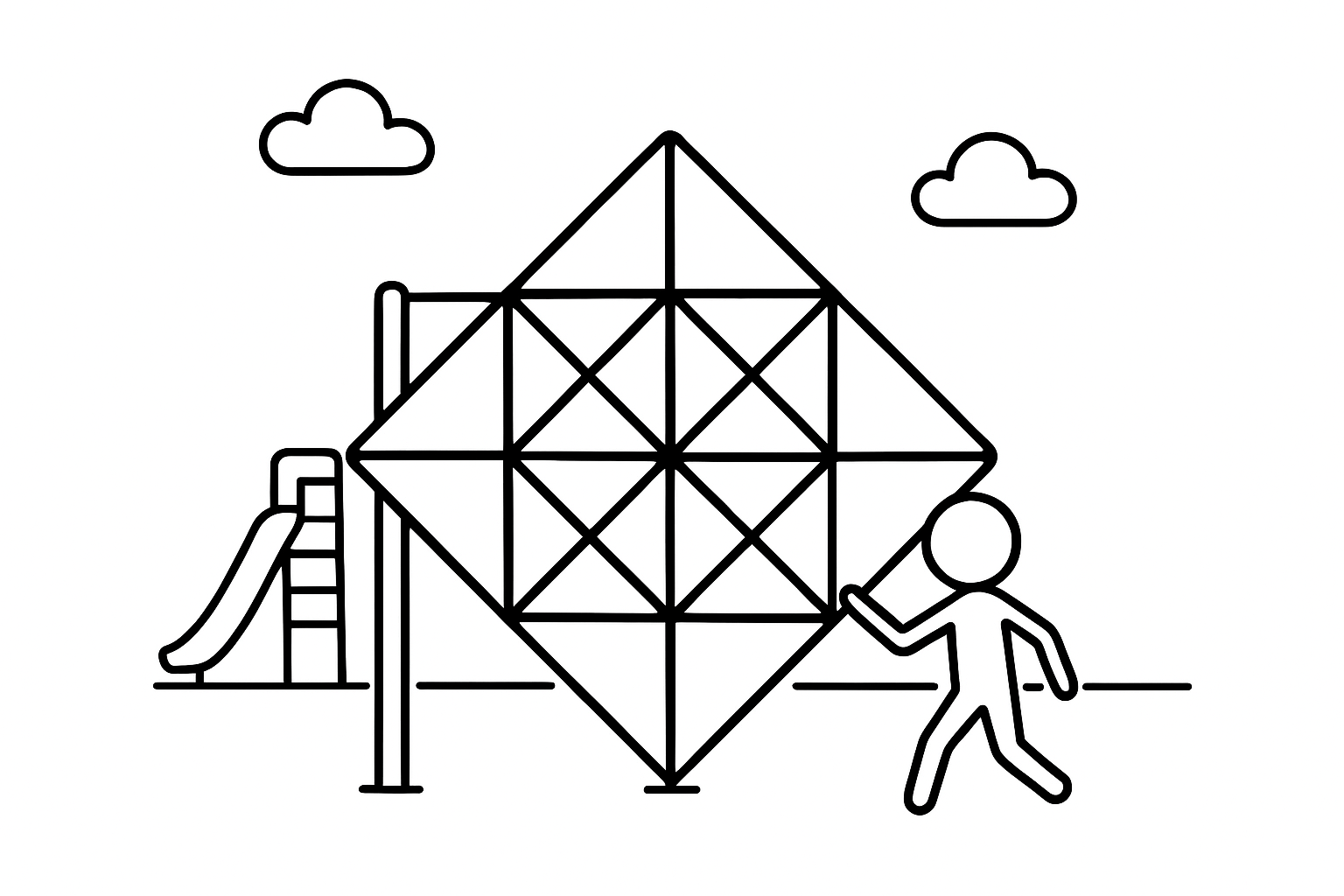
Kiosks of Music Theory Videos play as strange attractors spanning generations and genres to massage the mediums of lifedeath via the organs of thought-action. Rhyme and reason, figure and ground trade places, reconfiguring scents, senses, and sensations in the liminal zones where mediums mash and becomings practice and take flight. StudioLab’s becoming-maker of transmedia knowledge and SDXs incorporates Stielger’s organology, McLuhan’s medium-is-massage parlor, and dancer Yvonne Rainer’s prompt “the mind is a muscle” into a playground obstacle course whose broken equipment, tool-being, and tertiary traces remix the mediums of “premodern souls,” “modern subjects,” “post-modern daseins,” and “polychronic liminauts.” Together with Dance Your PhD and Science Rap, Theory Kiosks tap into musical, oral, and gestural modes of intergenerational cosmography across the three ecologies of self, environ, cosmos, rhythmically tuning and retuning figures across vast mental, social, and environmental/cosmic dimensions.
lnk
AI UX Konsults
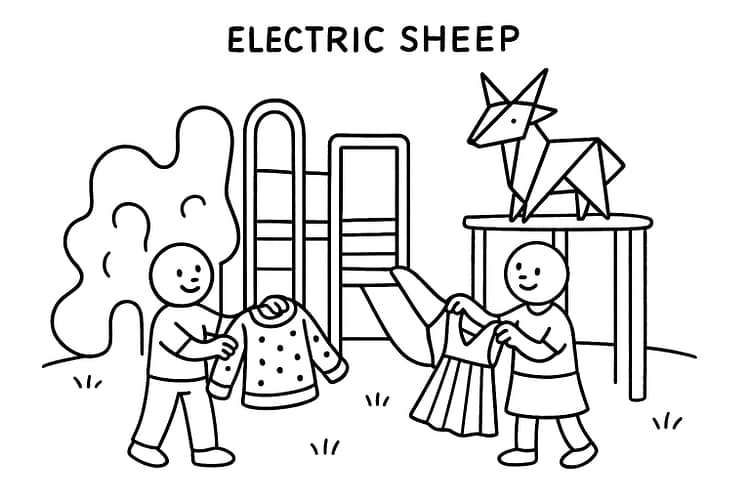
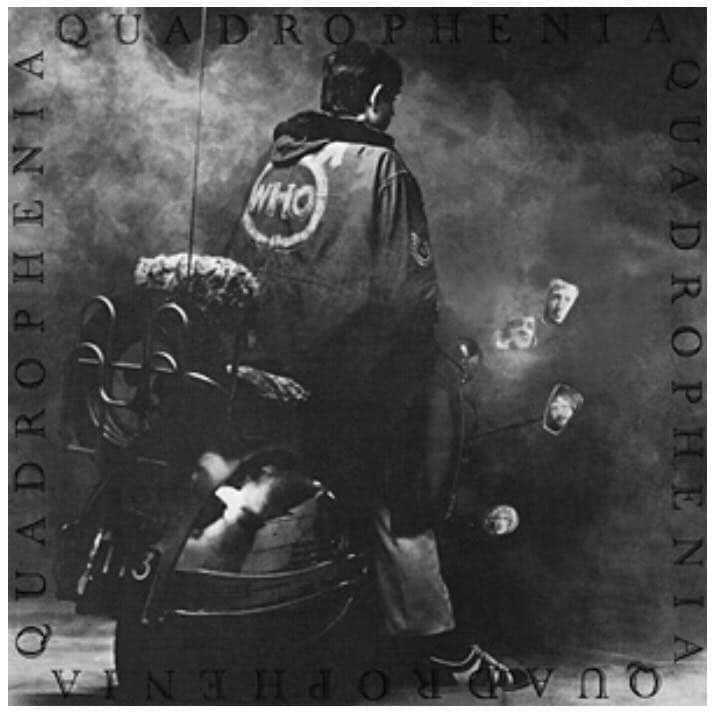
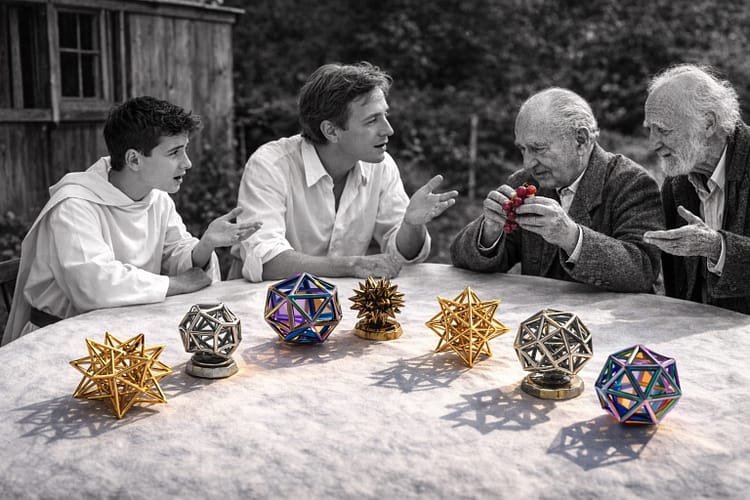
Konsults between Director Jon McKenzie and Agent ChatGPT (aka Kx4l and HAL, U and X, A and I, parole and langue…) mime Socratic dialectics, the internal Q&A model for philosophic thought and, surprise!, the Ur form of AI chats. Recursively querying the genres, values, and styles of emerging experiential interfaces, we (Kx4L, HAL, U, X, I, etc) trouble the many ways that HCI or human-computer interaction powers our everyday lives via mobile platforms that beckon our intimate gestures into handheld black holes. These reports mime the source flow of spiritual gramma (perfumed data), the crystal-loops of thought-action figuration, the crash and burn of collaborative know-how. Raw chats then get word processed for irregular posting. Watch your head and mind the god gap.

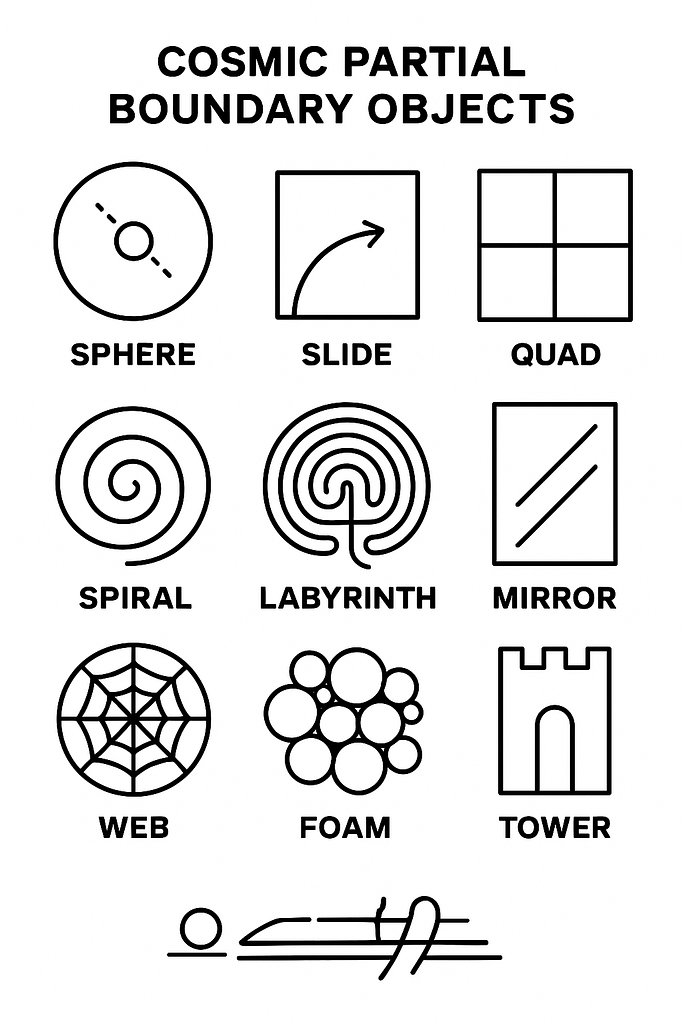
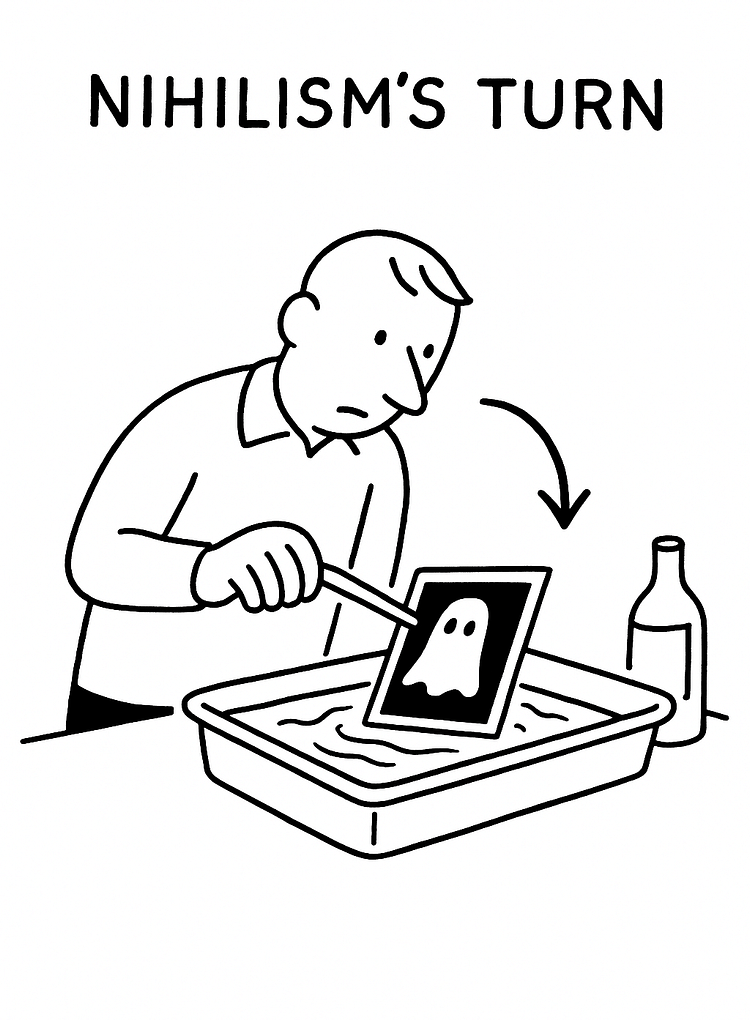
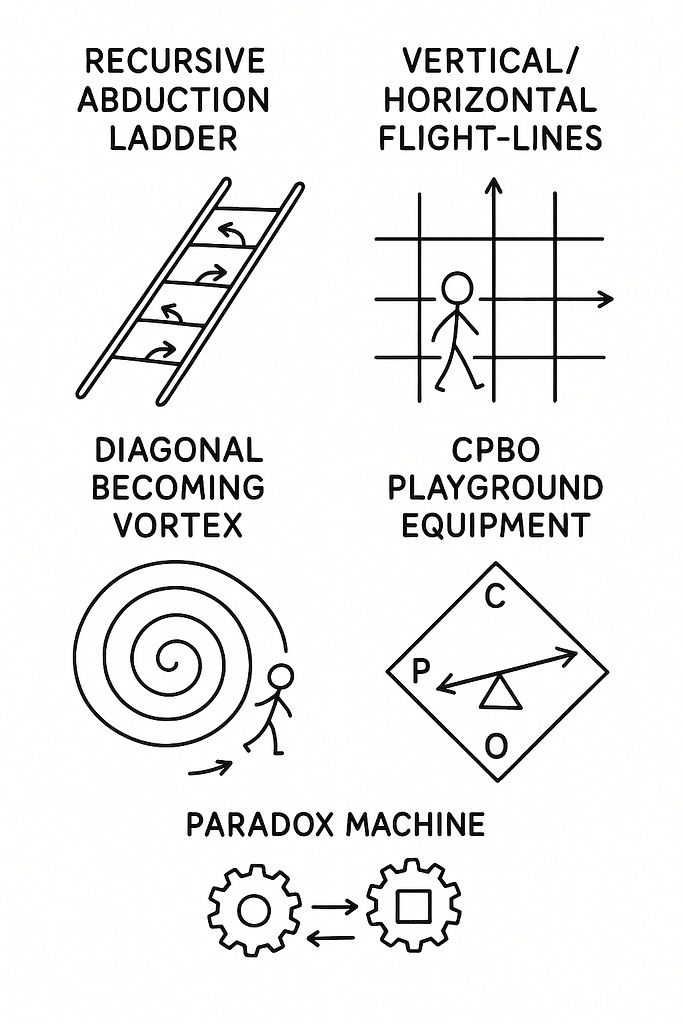

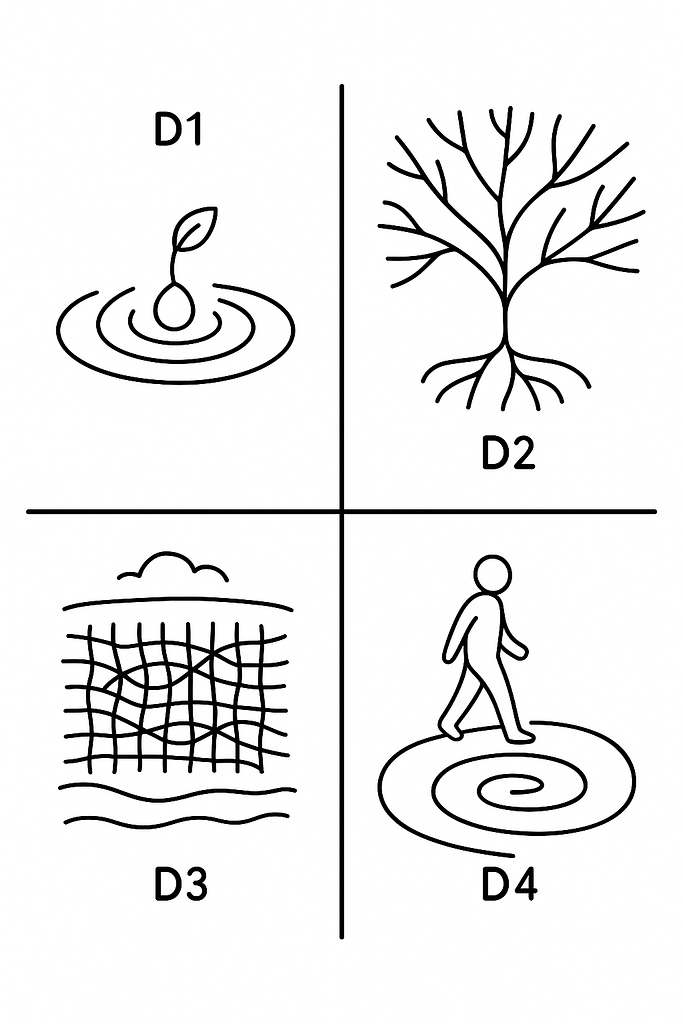








lnk
Essays
MetaPlay’s Making Cures draw on individual and collective art/life research with performance, media, and design within different different contexts, particularly higher education, advanced R&D, communiity collaboration, and intergenerational care. Early research on Laurie Anderson, Brenda Laurel, ACT-UP, Guerrilla Girls, and Critical Arts Ensemble drew on training across genres in Fine Arts and English and Film Studies at Florida in the 1980s and doctoral work at NYU’s Performance Studies. I learned UX and digital design tempiing during Silicon Valley’s dot.com craze and saw it explode while teaching at University of the Arts where StudioLab became butterfly for the first time.
MetaPlay’s Making Cures thus draw on individual and collective art/life research with performance, media, and design over decades within different contexts, particularly higher education, advanced R&D, and communiity collaboration with intergenerational care. Early research on Laurie Anderson, Brenda Laurel, ACT-UP, Guerrilla Girls, and Critical Arts Ensemble drew on training across media genres in Fine Arts and English and Film Studies at Florida in the 1980s and doctoral work at NYU’s Performance Studies, while also learning UX and digital design during Silicon Valley’s dot.com days. The nonlinear story of StudioLab’s meta-thought-action can be figured below in theory …
“Non-Design at Scale: Dasein Design and the Dao of Performance” (rejected)
“The Abject, Academy: What Remains of Journals?” (forthcoming)
“Design or Else: StudioLab, Traumaturgy, and Platform Performativity.” (book chapter)
“Dasein Design: Platform Performativity and Making Cures”
“Traumaturgy, Making Cures, and Non-Design”
“Cosmography via LifeLines: A Traumaturgy of Making Cures”
“Cosmographies of Worlding and Unworlding: Prompts for Avant-Garde Disastronauts”
“Doing Things With Worlds: Philosophy Becomes Cosmography.” Sara Baranzoni, Paolo Vignola, Jon McKenzie
“Mise en abyme: A Tour of Jon McKenzie’s Thought-Action.” Nien Yuan Cheng, Chris Hay, Emma Willis, Jon McKenzie
“Collective Thought-Action: On Lecture Performances, Transmedia Knowledge, and Designing Possible Worlds”
“StudioLab in Times of Crisis and Change: Civic Storytelling and Transmedia Knowledge.” Jon McKenzie, Megan Chang
“The Vita Perfumativa and Post-dramatic, Post-conceptual Personae”
“Forgetting Machines: From Memory Theatres to Critical Rap”
“Performance and Democratizing Digitality: StudioLab as Critical Design Pedagogy”
“Stratification and Diagrammatic Storytelling: An Encounter with Under the Dome”
“Smart Media at UW-Madison”
“StudioLab UMBRELLA”
“Global Feeling: (Almost) All You Need is Love”
“Towards a Sociopoetics of Interface Design: etoy, eToys, and TOYWAR”
“Laurie Anderson for Dummies”
lnk
Cartoons